
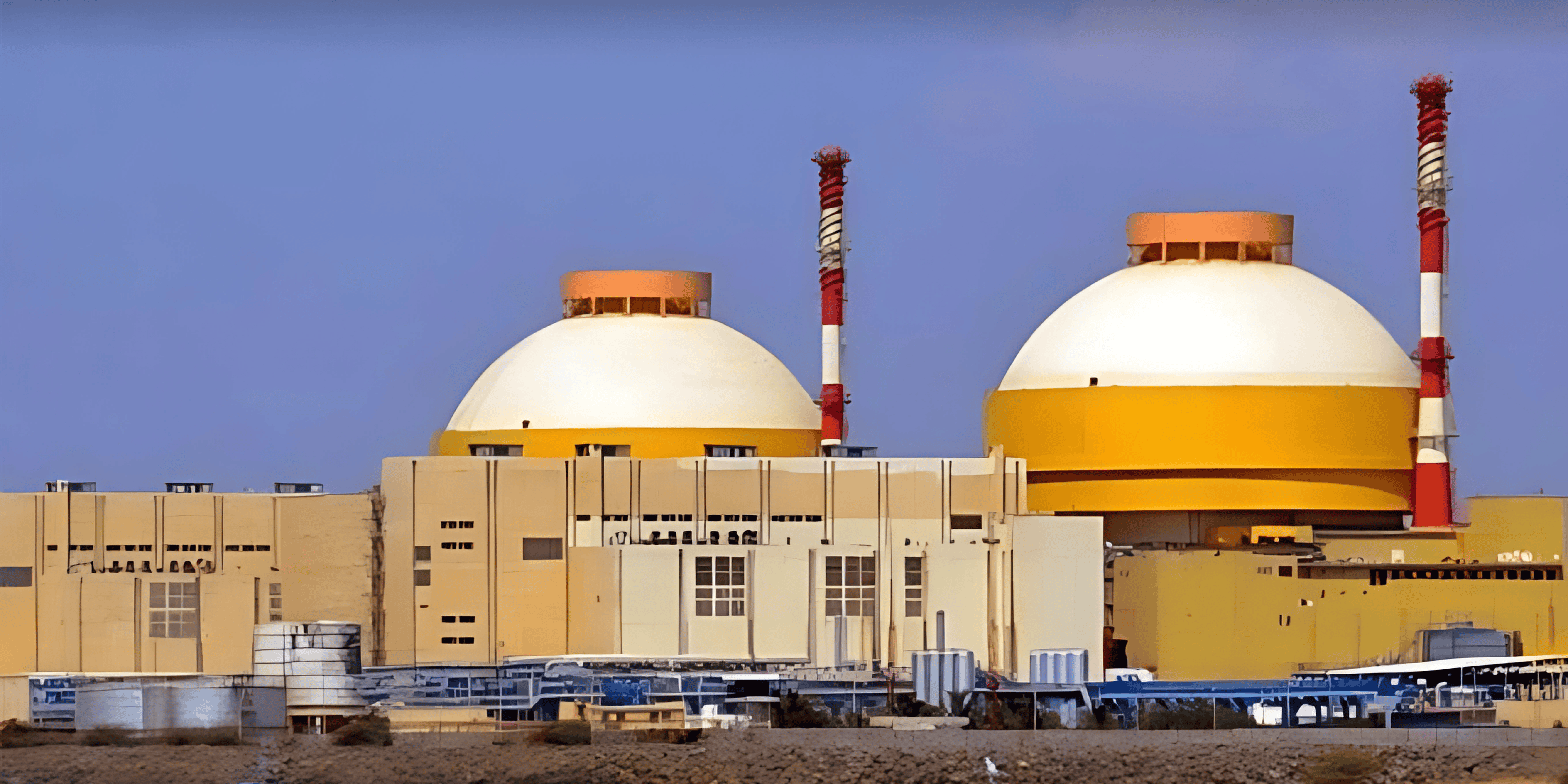
Finite Element Analysis (FEA) in the Nuclear Ecosystem: Enhancing Safety and Performance
February 13, 2025
Optimizing Ventilation in Enclosed Spaces Using CFD
March 31, 2025
Introduction
Maintaining proper airflow and air quality in enclosed spaces is critical for ensuring a safe and healthy environment. Poor ventilation can lead to stagnation, increased pollutant concentration, and potential health hazards for occupants. Whether in underground parking garages, tunnels, industrial facilities, or confined workspaces, inadequate air circulation can result in discomfort, reduced efficiency, and violations of safety regulations.
To address these challenges, Computational Fluid Dynamics (CFD) analysis is a powerful tool used to study airflow behaviour, assess ventilation efficiency, and optimize system design. By leveraging CFD simulations, engineers and facility managers can evaluate different ventilation strategies, identify problem areas, and implement targeted solutions to enhance air quality and safety.
The Role of CFD in Ventilation System Analysis
CFD analysis involves the use of mathematical modelling and simulation techniques to predict fluid (air) movement in a given environment. This approach allows for a detailed examination of how air circulates within enclosed spaces under various conditions. By applying CFD to ventilation design, professionals can:
- Visualize Airflow Patterns: CFD models provide a detailed representation of airflow movement, allowing engineers to identify areas of stagnation or turbulence.
- Analyse Pollutant Dispersion: The simulation helps track how pollutants such as carbon monoxide (CO), nitrogen oxides (NOx), and particulate matter disperse within a confined space.
- Optimize Ventilation System Design: By testing different configurations, engineers can determine the most effective placement of fans, air inlets, and exhaust vents.
- Enhance Energy Efficiency: CFD helps identify the optimal balance between ventilation effectiveness and energy consumption, ensuring cost-effective solutions.
- Ensure Regulatory Compliance: Many safety organizations, such as ASHRAE, OSHA, and local environmental agencies, have specific air quality and ventilation requirements that CFD analysis helps fulfil.
Key Findings from a CFD-Based Ventilation Study
A CFD study was conducted to analyse ventilation performance in an enclosed environment, comparing scenarios with and without active mechanical ventilation. The goal was to understand airflow distribution, pollutant accumulation, and the impact of ventilation on air quality.
Example: Improved Basement Ventilation: A CFD Analysis of Jet Fans Impact
A Computational Fluid Dynamics (CFD) analysis was conducted for basement ventilation system to assess the airflow and CO concentration levels under different configurations. The study compared scenarios with and without jet fans to evaluate system performance.
Without jet fans, the analysis revealed minimal air velocity in most regions, creating “dead zones” with no airflow. These stagnant areas led to high CO concentrations with peak levels, far exceeding safe thresholds. Air from Ramp 2 directly flowed to the exhaust room without adequate distribution, exacerbating CO buildup.
When jet fans were introduced, the ventilation system showed significant improvements. Fresh air circulated more evenly across the basement, drastically reducing CO levels. Maximum CO concentration dropped, aligning with ASHRAE guidelines. The jet fans effectively eliminated dead zones and ensured fresh air reached all areas, demonstrating the importance of active mechanical ventilation in enhancing indoor air quality.
This study highlights how strategic ventilation system design, including jet fans, can address air quality challenges in enclosed spaces like basement car parks, ensuring compliance with safety standards and improving environmental conditions.

Scenario 1: Without Mechanical Ventilation
- The analysis revealed stagnant air pockets, also known as “dead zones,” where airflow was minimal or non-existent.
- Pollutant concentrations, including CO and other airborne contaminants, exceeded safety thresholds, increasing health risks for occupants.
- Airflow was found to be unevenly distributed, with some areas receiving fresh air while others remained isolated.
- Thermal discomfort was observed due to uneven temperature distribution, making the environment less habitable.
Scenario 2: With Mechanical Ventilation
- The introduction of jet fans and exhaust systems significantly improved air circulation, reducing stagnant zones.
- Pollutant concentrations dropped, ensuring air quality remained within safe limits.
- The distribution of fresh air became more uniform, enhancing overall indoor environmental conditions.
- Energy efficiency was improved as ventilation operated at optimized levels, preventing unnecessary power consumption.
These findings demonstrate the critical role of active ventilation systems in ensuring healthy indoor air quality and meeting regulatory requirements.
Fire Mode Analysis: Ensuring Effective Smoke Management in Emergencies
The fire mode analysis assesses the effectiveness of a ventilation system in managing smoke movement and maintaining safety during fire emergencies. Using Computational Fluid Dynamics (CFD) simulations, the study examines how smoke propagates within an enclosed space and how ventilation can facilitate its removal. The focus is on ensuring proper airflow through mechanical fans and strategically placed jet fans to improve visibility and reduce hazardous gas accumulation.
A fire scenario is simulated to evaluate the system’s response under emergency conditions. Without adequate ventilation, smoke stagnation can occur, reducing visibility and increasing risks. The analysis highlights the importance of an optimized ventilation setup, which significantly improves smoke clearance. By using a combination of supply, exhaust, and jet fans, the system efficiently directs smoke away from critical areas, helping to maintain safer conditions.
The study also considers emergency response strategies, ensuring that the ventilation system activates effectively when smoke is detected. By clearing smoke quickly, the system supports evacuation procedures and firefighting efforts, minimizing potential hazards. The findings confirm that a well-designed ventilation strategy is essential for fire safety, providing a controlled environment that enhances visibility and reduces exposure to harmful gases.
Overall, the analysis demonstrates that an optimized ventilation approach ensures effective smoke management in fire scenarios. This validation reinforces the importance of proper ventilation planning in enclosed spaces, helping to improve safety, support emergency response efforts, and ensure compliance with fire safety regulations.


Applications of CFD-Based Ventilation Design
1. Underground Parking Structures
Parking garages are prone to high levels of vehicle emissions, particularly CO and NOx gases. CFD analysis helps optimize ventilation placement to ensure the rapid removal of harmful gases and compliance with safety standards.
2. Industrial Manufacturing Plants
Manufacturing facilities often generate airborne particles, fumes, and heat. CFD modelling enables engineers to design efficient ventilation systems that protect workers and maintain a controlled environment.
3. Tunnels and Enclosed Roadways
Vehicular tunnels require carefully planned ventilation to prevent exhaust buildup. CFD simulations help optimize airflow direction and ventilation fan efficiency to maintain safe conditions for drivers.
4. Commercial Buildings and Offices
Indoor air quality in office spaces can affect productivity and employee well-being. CFD-based ventilation design ensures optimal fresh air distribution while minimizing energy consumption.
5. Data Centres
Data centres generate substantial heat due to high-powered servers. CFD analysis is used to design cooling and airflow management systems that prevent overheating and equipment failure.
Benefits of Using CFD for Ventilation System Optimization
- Improved Air Quality and Health
- Reduces exposure to harmful pollutants and contaminants.
- Enhances comfort for occupants by maintaining a balanced airflow.
- Energy Efficiency and Cost Savings
- Ensures proper ventilation without excessive power consumption.
- Identifies opportunities to optimize HVAC performance.
- Compliance with Safety Standards
- Meets requirements set by ASHRAE, OSHA, and environmental agencies.
- Helps facility managers implement necessary air quality measures.
- Prevention of Equipment and Structural Damage
- Reduces moisture accumulation and prevents Mold growth.
- Helps in heat dissipation to protect sensitive machinery.
- Data-Driven Decision-Making
- Provides insights into real-world airflow behaviour.
- Helps in designing long-term, sustainable ventilation solutions.
Why Choose Analyzer?
At Analyzer CAE Solutions, we specialize in applying Computational Fluid Dynamics (CFD) techniques to design and optimize ventilation systems for various industries. Whether it’s commercial buildings, industrial facilities, parking structures, or specialized environments, our expertise ensures efficient airflow management, pollutant control, and thermal regulation.
Our approach is built on four key pillars:
Tailored Engineering Solutions – Every space has unique ventilation requirements. We develop customized airflow strategies that optimize indoor air quality, temperature regulation, and pollutant dispersion.
Cutting-Edge CFD Technology – Utilizing industry-leading simulation tools, we provide precise data-driven insights, helping clients design safer, more effective ventilation systems.
Energy-Efficient Design – Our solutions prioritize energy savings and sustainability, ensuring compliance with environmental standards while minimizing operational costs.
Proven Performance & Safety – With a track record of successful implementations, our systems enhance air quality, reduce health risks, and improve overall safety and comfort in enclosed environments.
From commercial HVAC systems to large-scale industrial ventilation, Analyzer CAE Solutions provides innovative, reliable, and results-driven solutions to meet the highest industry standards.
Partner with us for advanced CFD-driven ventilation strategies that improve air circulation, enhance safety, and optimize energy efficiency.