FEA, CFD & Fitness-For-Service Case Studies
Explore engineering simulation projects delivered by Analyzer CAE Solutions across pressure vessels, piping systems, thermal analysis, CFD flow studies, erosion prediction, structural validation and industrial equipment assessment.
Explore Projects by Engineering Domain
Use these categories as visual guidance while browsing Analyzer CAE’s engineering case study library.
All Engineering Case Studies
Review selected FEA, CFD, fitness-for-service and industrial simulation projects completed for engineering clients.
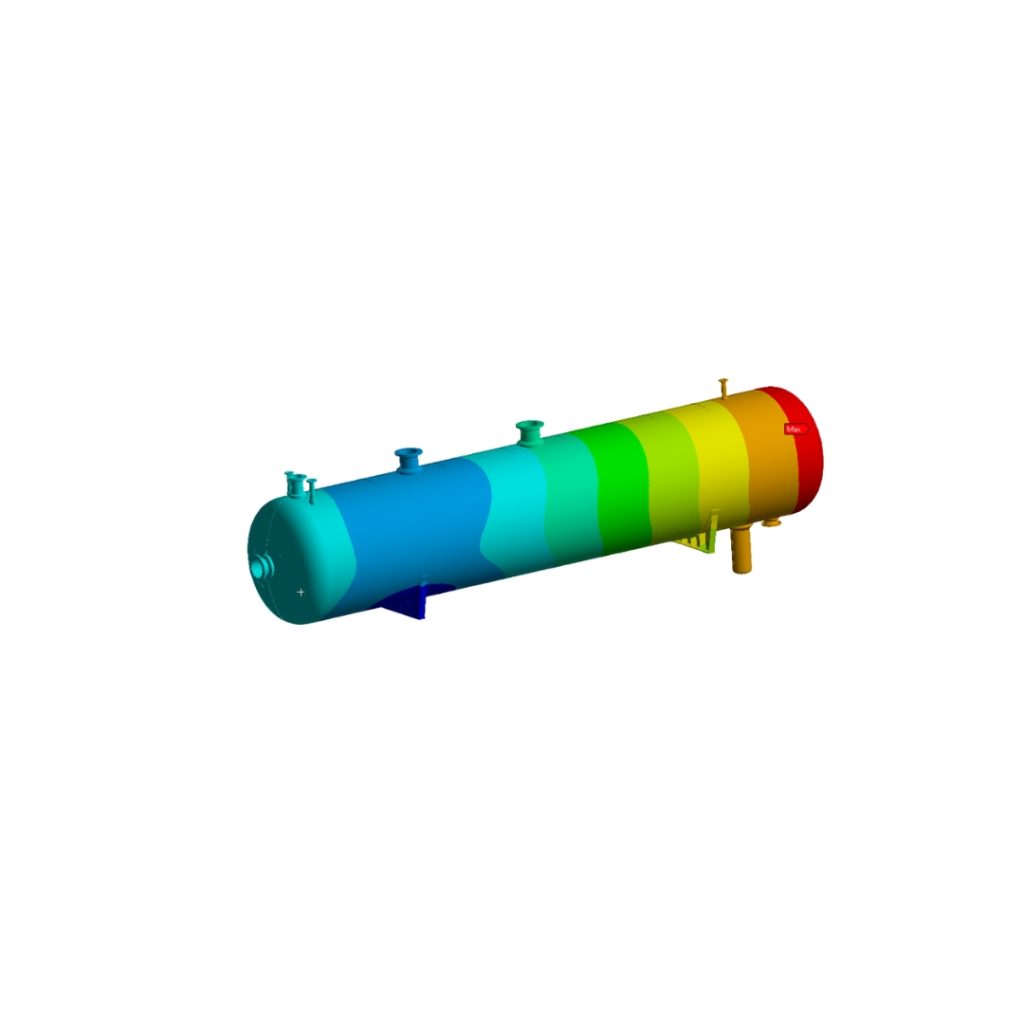
Fitness-For-Service Assessment of Weld Misalignment & Shell Distortion
Background Pressure vessels subjected to improper or non-uniform post-weld heat treatment (PWHT) may experience permanent geometric distortions. These distortions commonly manifest as weld misalignment, ovality, or

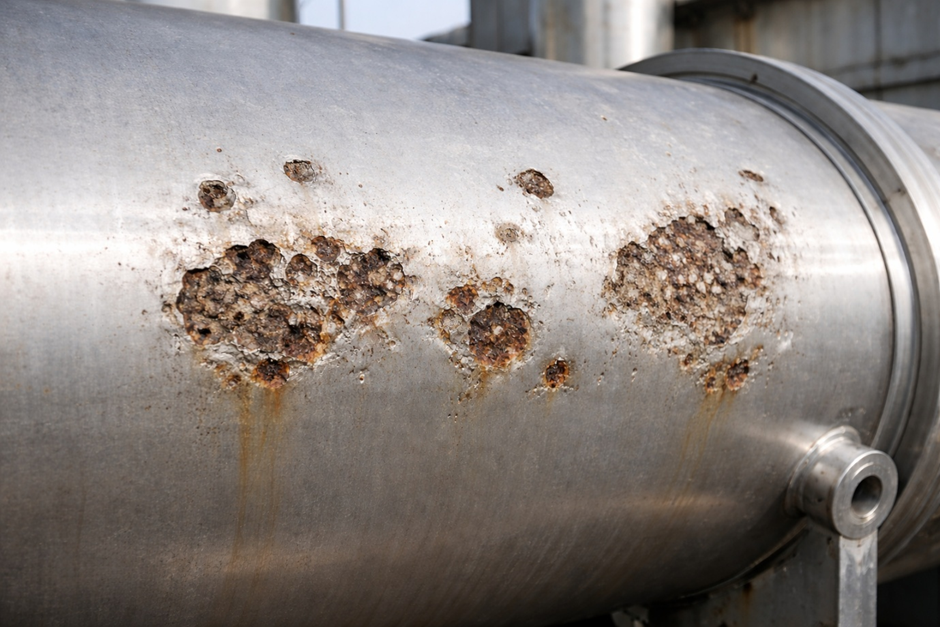
Fitness-For-Service Assessment of Local Metal Loss (Pitting Corrosion) in a Pressure Vessel Shell
Background Localized metal loss in the form of pitting corrosion is a common degradation mechanism in carbon steel pressure vessels operating in corrosive service environments. Unlike

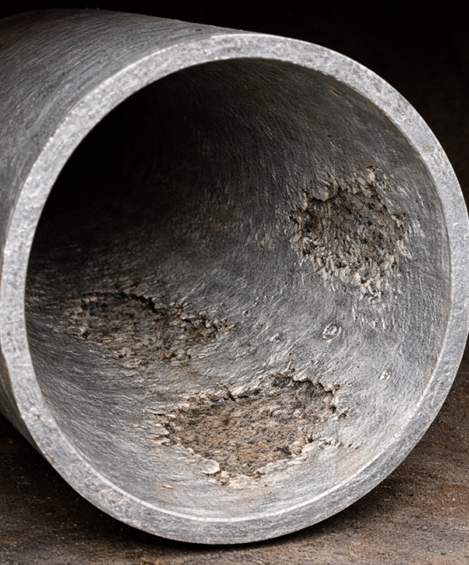
Fitness-For-Service Assessment of Local Thin Areas (LTA) in a Cylindrical Pressure Vessel Shell
Background Local Thin Area Fitness-For-Service Assessment, Localized thinning of pressure vessel shells is a common integrity concern, particularly in aging equipment exposed to corrosive process environments.

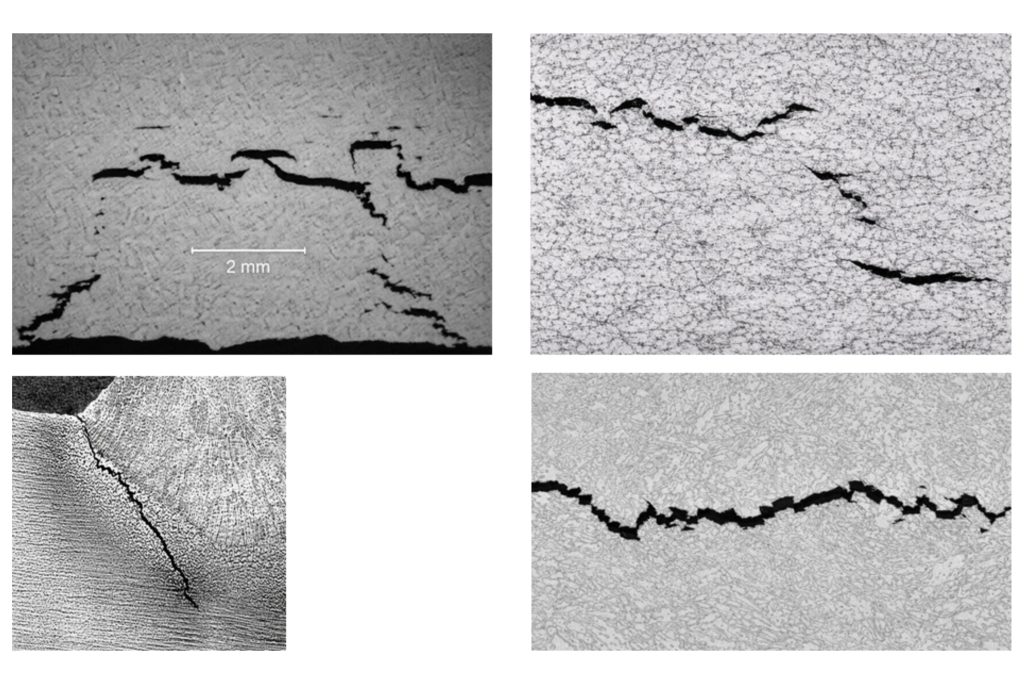
Fitness-For-Service Assessment of Hydrogen Induced Cracking (HIC) in a High-Pressure Separator Vessel
Background HIC Fitness-For-Service Assessment, A high-pressure separator vessel constructed in 1980 in accordance with ASME Section VIII, Division 2 was subjected to detailed inspection following concerns

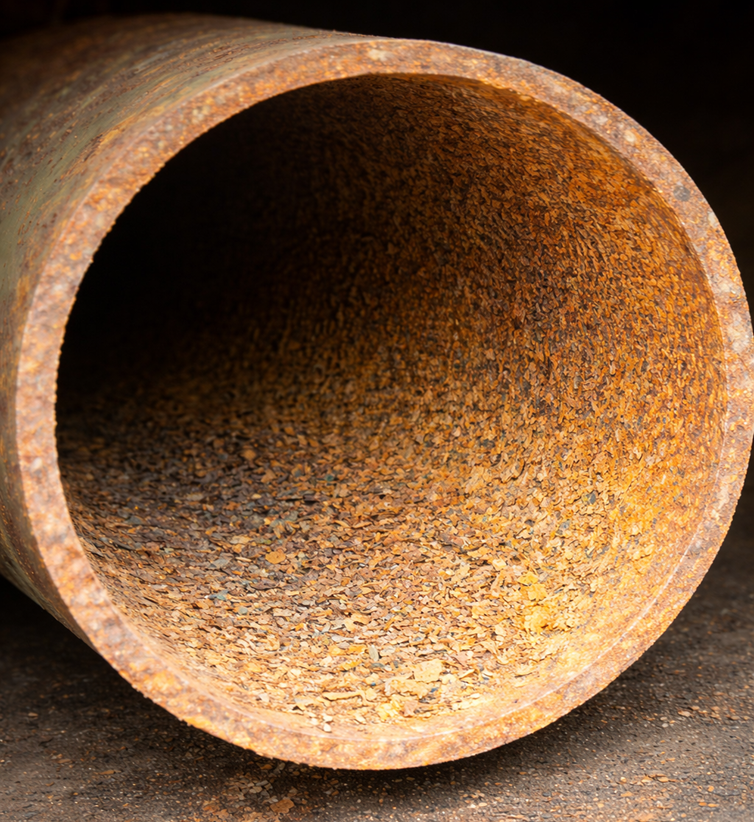
Fitness-For-Service Assessment of General Metal Loss in a Straight Piping Segment
Background General metal loss caused by long-term corrosion is one of the most common degradation mechanisms in carbon steel piping systems operating in refinery and petrochemical

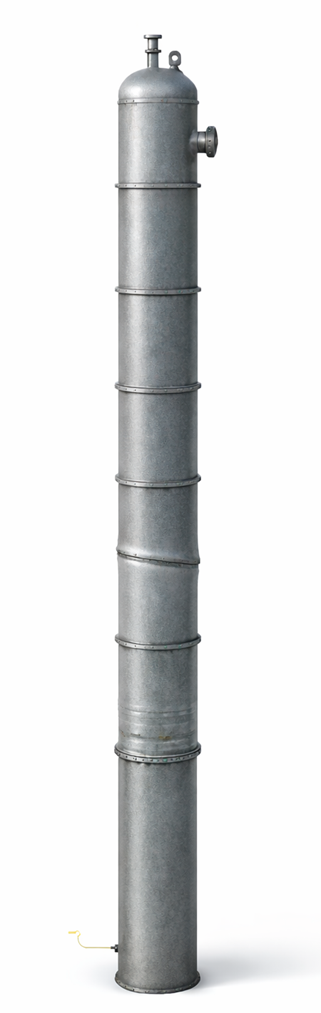
Brittle Fracture Assessment of a Vertical Pressure Vessel Using MAT–CET Methodology
Background Brittle Fracture Assessment of a Vertical Pressure Vessel. Older pressure vessels constructed before mandatory impact testing requirements often present an increased risk of brittle fracture,

Predictive Erosion Analysis in Flow Adapter Nozzles : Nozzle Erosion CFD Analysis
Client Background A manufacturer of downhole flow control devices required a predictive solution to assess the structural integrity and erosion life of flow adapter nozzles used

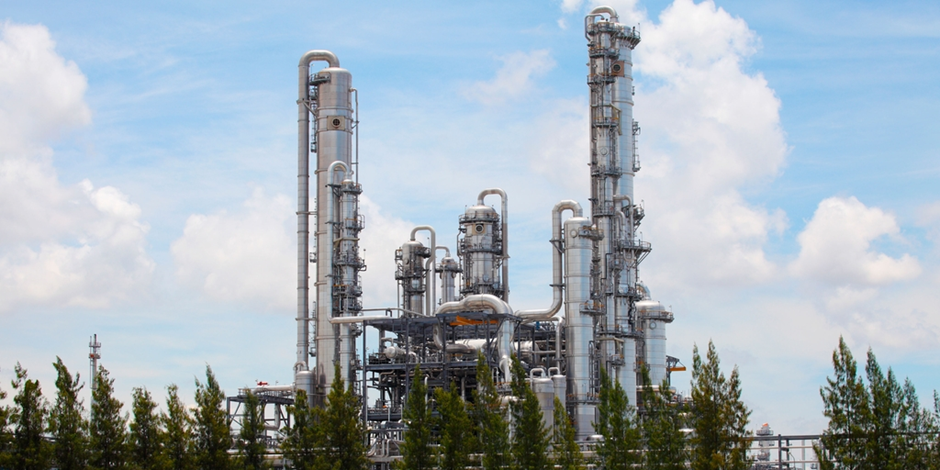
Exhaust Vent Stack Dispersion: How CFD Protects Air Quality and Safety
Introduction Industrial facilities generate exhaust gases that must be released into the atmosphere safely. Exhaust Vent stacks are engineered for this purpose, but without proper design

Thermal Optimization of a High-Power EV Charger Using CFD Analysis
Client: Leading EV Charging Manufacturer To support the growing demand for high-speed electric vehicle (EV) charging infrastructure, a leading EV charging manufacturer embarked on the development

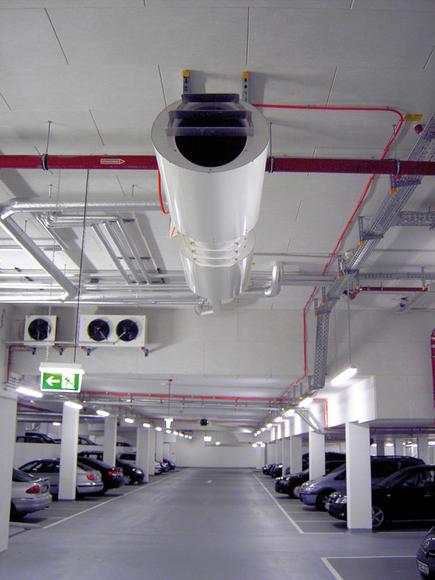
CFD Simulation of Car Park Ventilation
# Introduction Traditional car parks have ducted ventilation systems. These systems are quite inefficient as they cater to the entire car park area even though the

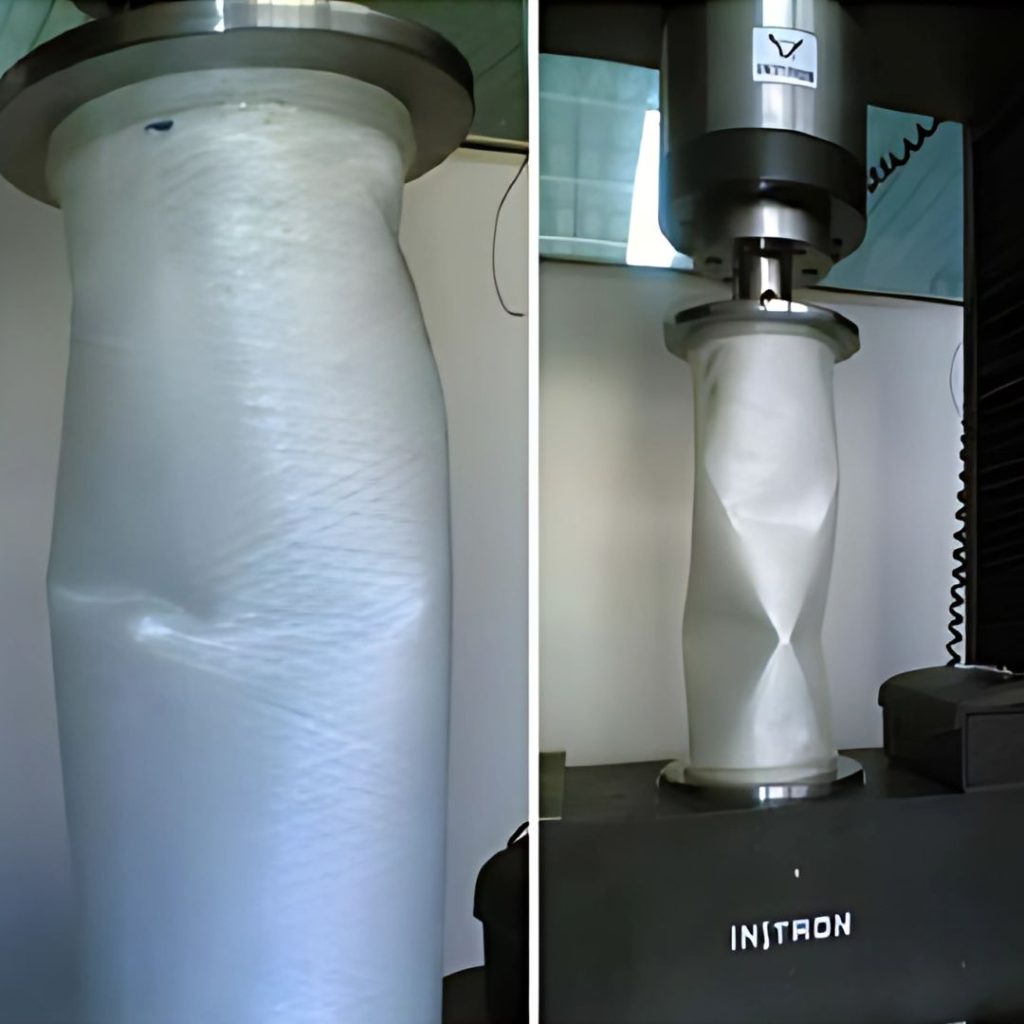
Buckling Analysis of Structure – Finite Element Analysis
CASE STUDY HIGHLIGHTS Client Profile: Process equipment manufacturer in India & Abroad Introduction: Most of the process equipments are subjected to compressive loadings during their operation

Engineering Case Study: FEA Analysis of Sour Condensate Flash Drum Stability in PWHT Conditions
The FEA analysis executed to guarantee the stability of a Sour Condensate Flash Drum under PWHT (Post Weld Heat Treatment) conditions is examined in this case

Design of Cooling Tower Fan support structure – FE Analysis
Problem Statement: A leading engineering company in the energy and environmental sector received a requirement for the Design of Cooling Tower Fan Support Structure, aimed at

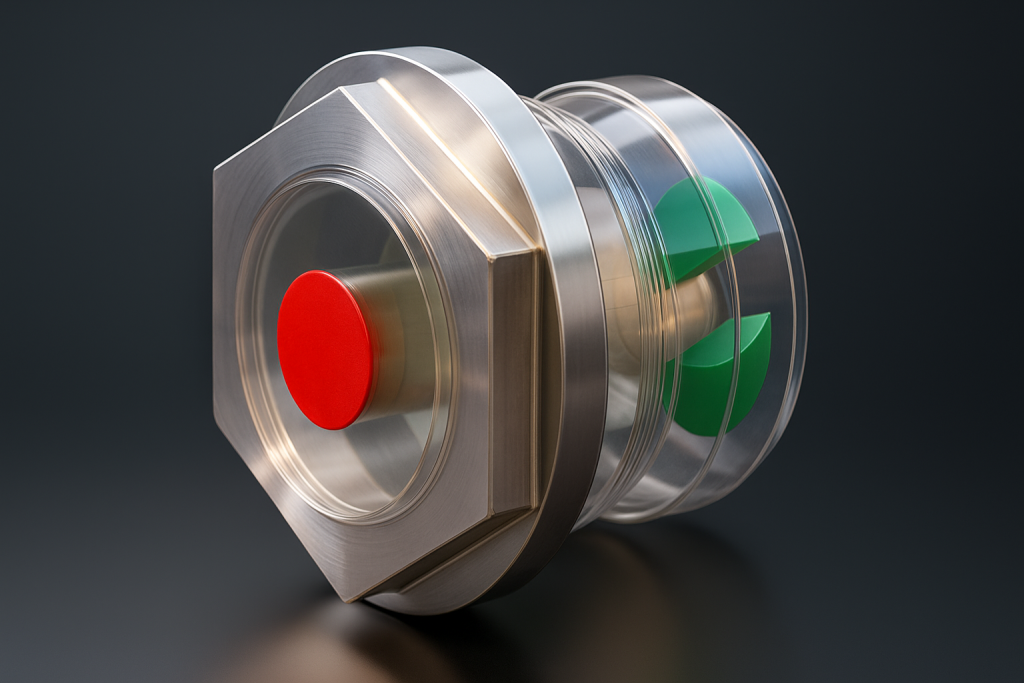
CFD Analysis of Solenoid Valve for Thermal Management System
Introduction Solenoid valves are critical components in modern Thermal Management Systems (TMS), responsible for precise control of airflow and pressure regulation. Their efficient operation directly affects

MULTIPHASE CFD ANALYSIS OF WEDGE PLUG VALVE
Introduction: The objective of this case study was to conduct a comprehensive 3D Computational Fluid Dynamics (CFD) analysis of a Wedge Plug Valve under Fully Open

CFD SIMULATION OF ELECTRIC MOTORS
A Computational Fluid Dynamics (CFD)simulation was conducted to analyze the flow and thermal characteristics of an electrical motor. The primary objective is to enhance the internal cooling of the motor by optimizing the cooling circuit design by recommending appropriate design modifications.

CFD SIMULATION OF ROTATING SHAFT EROSION
Introduction A Computational Fluid Dynamics (CFD) simulation conducted to analyze the flow patterns and Erosion at the internal faces of the coolant jacket of a rotating

CFD SIMULATION OF VIBRATION ANALYSIS IN TAIL GAS FIRED BOILER
Introduction A Computational Fluid Dynamics (CFD) simulation was conducted to investigate the vibrational issue in multiple evaporator and super heater modules of a tail gas-fired boiler.

CFD SIMULATION OF GAS-GAS HEATER
Introduction The CFD analysis of a Gas-Gas heater was undertaken to gain insights into the velocity distribution inside the Air Preheater (APH) module. The primary objectives

CFD Analysis of Storage Water Heater
CFD analysis of a Storage Water Heater under various Standard Test Cycle conditions revealed insights into transient flow, thermal
characteristics and key performance parameters.

FSI Analysis of Airport Roof Structure and Concrete Pillar
This case study concentrates on Static Analysis to assess force reactions, incorporating diverse load cases and wind pressure profiles derived from Computational Fluid Dynamics studies.

ROTOR DYNAMIC ANALYSIS – FE Analysis
Torsional vibration analysis of rotating machinery is very important in defining the operational reliability of rotary equipment trains. Severe torsional vibrations often occur in rotating types

CFD Analysis of ESP
CFD simulation of electrostatic precipitator to optimize flow uniformity and maximize performance & life.

CFD Analysis of Vaporizer
CFD Analysis is a process used to investigate the dynamics of heat transfer in vaporizers through the modelling of conduction and convection modes.

CFD Analysis of Wind Driven Rain on Building Facade
CFD can be used to simulate wind- driven rain and its effects on building façade, enabling preventive measures to be taken at the construction stage.

CFD Analysis of Swing Check Vlave
CFD is used to determine the opening position of a Swing Check Valve disc during steady state operating condition by calculating the torque acting on it.

CFD Analysis of Engine Air Intake Precleaner
CFD is used to analyze the dust separation performance of Pre-cleaners in Engine Air Intake systems.

CFD Analysis of Blower
CFD is used to accurately simulate air flow in a Multistage Centrifugal Blower and predict its performance.

CFD Analysis of Fin Mounted on Hull
CFD simulations can be used to calculate the forces and moments acting on a fin when mounted on a hull, aiding in the design process.

CFD Analysis of Cyclone Dust Collector
CFD is used to accurately determine the back pressure, particle separation efficiency and velocity profile in cyclone separators, which are important in the mineral and coal industries.

CFD Analysis of HRSG Unit
CFD is used for improving the performance of an HRSG unit by identifying and correcting flow uniformity issues and flow leakages.

CFD Analysis of Car Battery
CFD is used to design an efficient Multi-Port-Extrusion to enable maximum heat transfer rate between Cells & Coolant for efficient cooling of Batteries present in automobiles.

CFD Analysis of Heat Exchanger
CFD can help to optimize the Heat Exchanger design for improved heat transfer performance.

CFD Analysis of Canopy
CFD helps in understanding the flow and thermal characteristics of complex canopy systems, which helps improve the efficiency of components inside.

CFD Analysis of Vertical Pump Sump
CFD helps in understanding and improving the performance of sump systems by simulating all their complexities.

CFD Analysis of Electronics System
CFD is used to predict and eliminate hot spots in Electronic System designs to ensure efficient cooling and optimal performance.

Outdoor Units (ODU) HVAC
CFD can be used to evaluate the performance of ODUs in high-rise buildings, accounting for seasonal variation in wind flow direction and stack/buoyancy effects.

Shelter HVAC
CFD can be used to design an efficient cooling system for a shelter and determine the temperature within its Units during operation.

Data Center HVAC
CFD can be used to predict and eliminate hot spots in data centers by simulating airflow and heat transfer to ensure efficient cooling.

Airport HVAC
CFD Analysis can be used to simulate airflow and temperature patterns to optimize the HVAC system for efficient cooling in airports.

FEA of Quick Opening Closure
ANALYZER was approached by process equipment manufacturers to evaluate the design of their newly developed QOC’s using simulation techniques and provide solutions in case of stress failure.

FEA of Chassis
Analyzer has provided advanced FEM simulations to leading Automobile OEMs for static and dynamic analysis of chassis designs for improved reliability, cost-efficiency and safety.

Thermal Analysis of Valve
FEA can be used to conduct static and transient thermal analysis and the FSI approach is used to solve more complex problems in order to ensure the safety of valves subjected to high temperatures.

FEA of Ball Mill
Analyzer provided FEA services to evaluate the design of a Ball-Mill to multiple static and fatigue loadings, optimizing thickness and preventing fatigue failure.

PSD Analysis Case Shelter
Analyzer assisted a shelter manufacturer in India to evaluate the design of their new shelter assembly against various loading conditions using PSD analysis in ANSYS.

FEA of Pumps
ANALYZER was approached to evaluate the design of a newly developed pump assembly for a nuclear power plant to ensure its reliability according to the design parameters and seismic qualifications outlined in ASME BPVC Sec. III sub-sections NB, NC, ND & NF.

Torsional Vibration Analysis
TVA of the complete drive train to check the torsional resonance and stresses induced on the shaft.

FEA of Shelters
Military shelters subjected to various loadings and design modifications are suggested to improve the design.

Modal Analysis of Structure
To determine the natural frequency and check if any major natural frequency is close to the operating frequency as per API.

Harmonic Responce Analysis of Structure
To determine the reason for the crack and avoid failure due to fatigue load on the vessel.

Elastic Plastic Stress Analysis
Elastic-plastic analysis on a transition duct from circular to rectangular with various stiffness

Thermal Analysis of Process Equipment
FEA of Shell & Tube heat exchanger for both thermal ana mechanical loads as per UHX 13.4

FEA of Expansion Joint of Heat Exchanger
FEA of Expansion joint for various load cases as per TEMA 9th and 10th edition

FEA of Air-Cooled Heat Exchanger
FEA of rectangular header heat exchanger due to internal pressure considering all the tube

FEA of Heat Exchanger
To determine the stresses at flexiable tubesheet due to mechanical and thermal loads

FEA of SKIRT
(Y-FORGING) JUNCTION (To determine the stresses at the Y-forging due to various loads

Lifting Analysis of Pressure Vessel
Lifting analysis of pressure vessels for various orentations to determine the stresses at the lifting lug and skirt to shell junction.

Fatigue Analysis of Pressure Vessel
Fatigue life evaluation of the vessel for thermo-mechanical fluctuating loads as per ASME Annexture 3F.

FEA of Complete Pressure Vessel
Considering all the nozzles on the vessel and creating a hex mesh to capture the induced stresses due to thermo-mechanical loads

FEA OF NOZZLE TO SHELL JUNCTION – Finite Element Analysis
Tangential or inclined nozzle FEA to determine the stresses at the nozzle to shell junction which are not covered in WRC.