
How Advanced Computer Aided Engineering (CAE) from Engineering Services Companies Is Revolutionizing Medical Innovation
July 31, 2025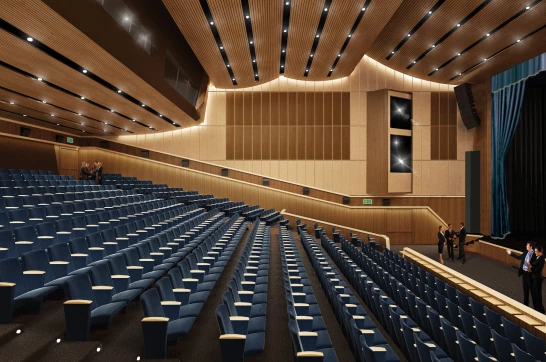
Shaping Soundscapes Through Acoustic Expertise
Technical insight from Analyzer CAE Solutions covering engineering simulation, design validation and practical CAE applications for industrial decision-making.
Sound is an invisible yet powerful element in any built environment. The way sound behaves in a space how it travels, reflects, or gets absorbed can define how comfortable, Productive or enjoyable that space feels. This is where acoustics comes in.
What Is Acoustics and Why Does It Matter?
For new readers, acoustics refers to the science of sound:
- How sound is generated, transmitted, and controlled.
- How it interacts with walls, ceilings, furnishings, and the air itself.
In buildings, acoustics is all about creating environments where unwanted noise is minimized and desirable sound is enhanced. Think of a hotel room where outside traffic is inaudible, or a concert hall where every note is clear and rich.
For experienced professionals, acoustics is a discipline that combines physics, materials, and design. It involves:
- Designing spaces to achieve specific sound absorption, isolation, or diffusion.
- Applying standards and simulations to predict acoustic performance before construction.
- Using specialized testing to verify results and fine-tune outcomes.
How Acoustic Expertise Is Applied
Across sectors such as hospitality, education, infrastructure, and industry, teams are delivering end-to-end acoustic solutions. This includes:
- Isolation testing to prevent sound from traveling between spaces.
- Reverberation (RT60) measurements to optimize clarity in auditoriums and offices.
- Background noise assessments to meet strict environmental criteria.
- 24–96 hour noise surveys to monitor real-world sound patterns.
- On-site measurements and post-processing for data-driven recommendations.
The approach is shaped by best practices learned through both local and international projects, ensuring alignment with global benchmarks.
Project Experience Across Sectors
Acoustic expertise is applied to:
- Large convention centres, airports, and railway station redevelopments.
- Hotels, offices, auditoriums, and cultural venues.
- Industrial plants and outdoor mechanical spaces where equipment noise must be controlled.
- Educational campuses that require quiet classrooms and clear auditoriums.
Highlighted Projects Delivered
Below are some of the projects that have been successfully delivered, reflecting the depth of acoustic design and testing expertise:
- Large-scale convention and exhibition centres with complex multi-hall layouts.
- Redeveloped public infrastructure projects integrating modern acoustic standards.
- Major international airports with passenger terminals requiring high speech intelligibility and reduced background noise.
- Healthcare facilities designed to maintain privacy and minimize equipment noise.
- Redevelopment of major transportation hubs ensuring balanced acoustic environments.
- Premium hotels requiring high levels of sound isolation between guest rooms and public areas.
- Leisure and hospitality venues optimized for comfortable ambience and minimal external noise intrusion.
- Corporate office buildings and campuses designed for collaborative workspaces with controlled sound levels.
- Multi-use auditoriums and theatres engineered for balanced reverberation and clear performance sound.
- Museums and cultural centres requiring tailored acoustic treatments for exhibitions and events.
- Large educational institutions, including universities and specialized schools, designed for clear communication in classrooms and lecture halls.
- Airport management and operational buildings with integrated acoustic controls.
- Community and civic centres were public address systems and multipurpose uses demand clear acoustics.
- Administrative offices and regional headquarters designed for a quieter, more productive work environment.
Advanced Aero-Acoustic Capabilities
Acoustics also extends into specialized areas such as aero-acoustics through advanced Computational Fluid Dynamics (CFD) methods:
- Reducing noise from wind turbines, propellers, and serrated wings.
- Optimizing performance for ceiling fans, exhaust fans, and duct systems.
- Conducting vibro-acoustic studies for micro-gas turbines, mufflers, valves, and supersonic micro shock tubes.
These advanced analyses help design quieter equipment and improve overall system efficiency.
Below are some of the projects that have been successfully delivered.
Convention Centres
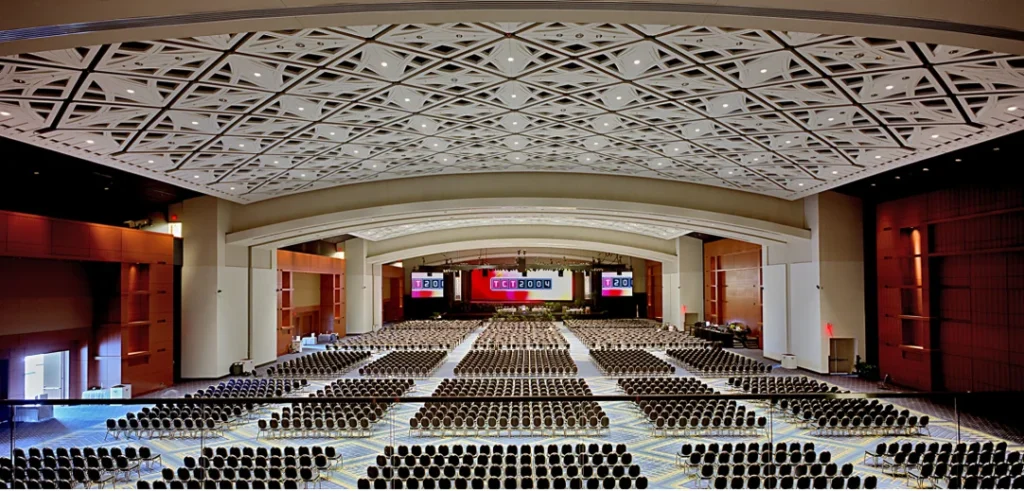
Large venues designed for exhibitions and conferences require careful control of reverberation and background noise. Acoustic solutions often involve customized wall and ceiling treatments, zoning for simultaneous events, and predictive simulations to ensure clarity of speech and music.
In addition, these large spaces demand coordination between architectural design and mechanical systems to achieve the desired acoustic performance. Elements such as HVAC noise, crowd dynamics, and varying occupancy levels are factored into the design process. By integrating sound-absorbing materials, strategically placed diffusers, and advanced modelling tools, these venues are able to deliver a consistent and comfortable auditory experience regardless of the size or type of event being hosted.
Urban Redevelopment Projects
Modern redevelopment of public spaces demands effective noise isolation between halls, meeting rooms, and service areas. Acoustic design integrates material selection, partition strategies, and façade treatments to deliver high-quality sound environments.
These projects also often involve balancing historic architecture with modern performance standards. Designers work to preserve aesthetic elements while discreetly incorporating acoustic panels, insulated partitions, and vibration resistant flooring. By combining advanced modelling with onsite testing, redevelopment projects achieve spaces that respect architectural intent while meeting contemporary expectations for comfort, Privacy, and clarity of sound.

Airports
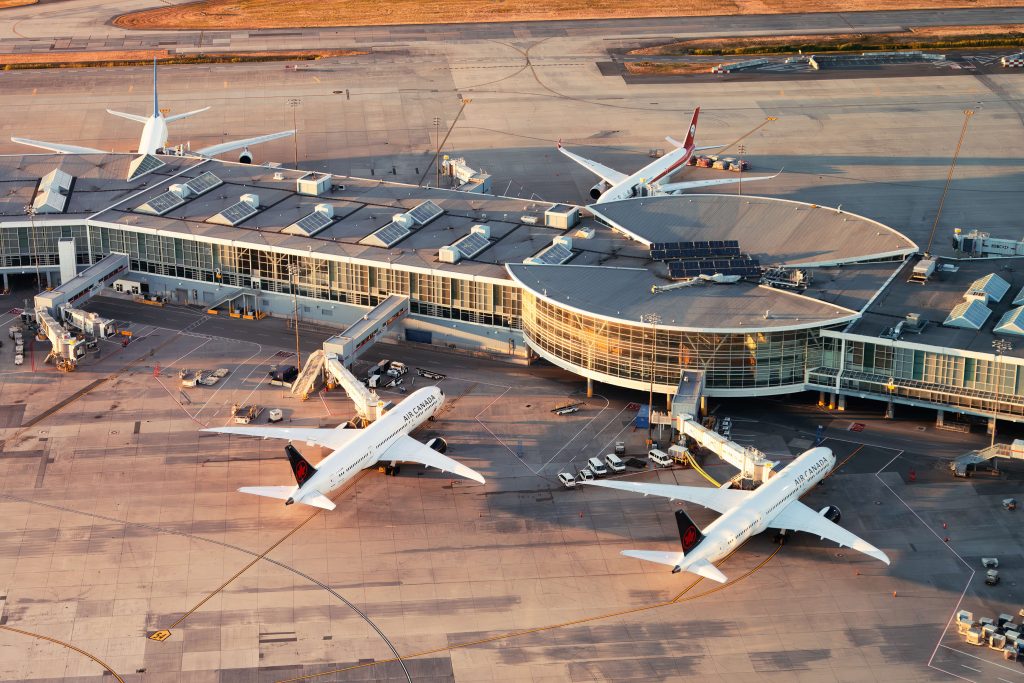
Passenger terminals are high-activity spaces where announcements and conversations can easily overlap with external noise sources. Acoustic planning ensures that spaces remain calm and intelligible through controlled reverberation, strategic sound absorption, and noise barriers around mechanical systems.Beyond managing ambient noise, designers also consider varying crowd densities and the influence of large open volumes with reflective surfaces. Acoustic treatments are carefully integrated into ceilings, columns, and waiting areas to maintain speech clarity even during peak hours. By combining predictive simulations with real-world testing, terminals achieve a balance between operational efficiency and a pleasant auditory environment for travellers.
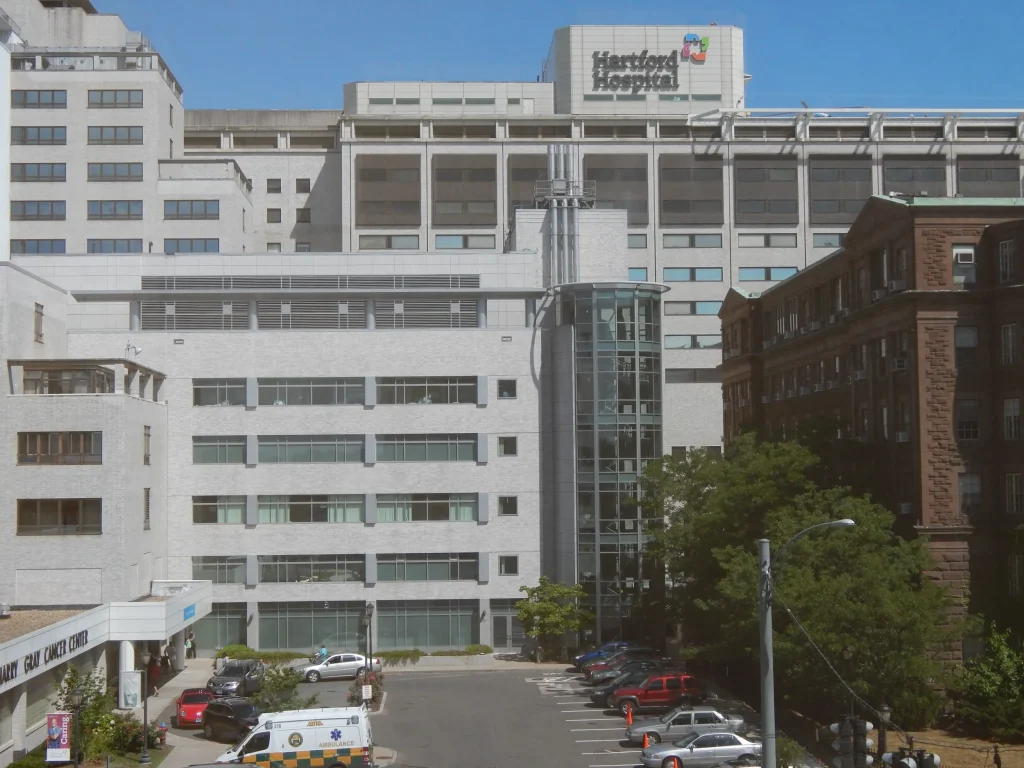
Healthcare Facilities
Hospitals and clinics benefit from acoustics that promote healing and privacy. This includes isolating equipment noise, Designing quiet waiting areas, and ensuring consultation rooms meet confidentiality standards.
In addition to these measures, acoustic design in healthcare facilities also considers the emotional well being of patients and staff. Soundscapes are tailored to reduce stress, Limit intrusive alarms, and create a calming atmosphere in sensitive areas such as recovery rooms and intensive care units. By integrating absorptive materials, Vibration control, and thoughtful space planning, Healthcare environments can significantly improve patient comfort, staff focus, and overall operational efficiency.
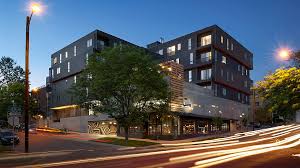
Hotels and Hospitality Spaces
Guestrooms and public areas are designed to limit external noise intrusion and internal cross talk between spaces. Techniques include high-performance partitions, acoustic doors, and specialized HVAC noise control.
In addition, acoustic planning for hospitality spaces often considers fluctuating occupancy levels, varying room layouts, and the need for a peaceful environment regardless of activity in adjacent areas. Materials with high sound transmission class (STC) ratings, discreet ceiling treatments, and vibration-isolated mechanical systems are incorporated to ensure guests experience a quiet, comfortable stay while public areas maintain an inviting yet controlled sound atmosphere.
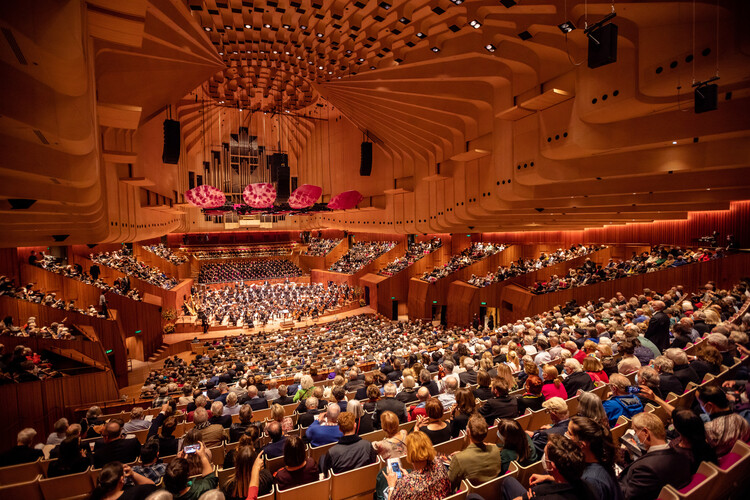
Auditoriums and Performance Spaces
Acoustic designs here aim to achieve a balanced reverberation time, enabling clear speech as well as rich musical performances. Panels, diffusers, and seating layouts are all optimized to deliver a uniform sound experience.
Furthermore, the design process often involves computer modelling and scale simulations to predict how sound will behave under different audience sizes and event types. Variable acoustic elements, such as adjustable curtains or movable panels, may be incorporated to adapt the space for spoken presentations, orchestral concerts, or theatrical performances. This flexibility ensures that performers and audiences alike experience consistent, high-quality acoustics regardless of the occasion.
Mechanical & Environmental Acoustics Projects
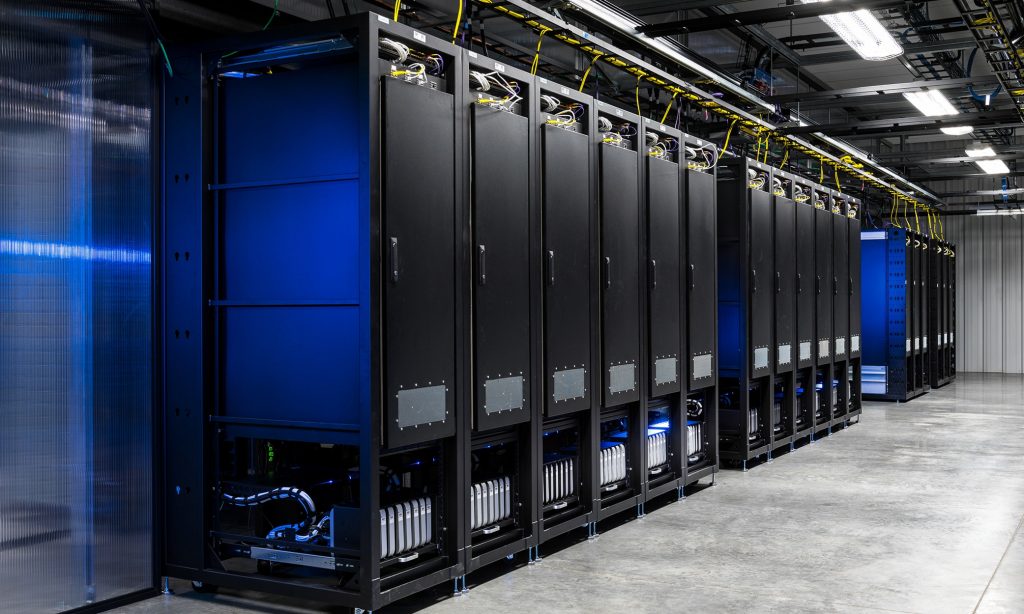
Data and Technology Centres
Outdoor cooling equipment, generators, and ventilation systems are treated with enclosures and silencers to reduce environmental noise and meet regulatory standards.
In addition, acoustic planning for these systems often involves evaluating site layouts, predicting noise propagation through computational models, and selecting materials that withstand weather conditions while providing effective attenuation. Maintenance access and airflow efficiency are balanced with noise control measures, ensuring that equipment operates reliably without disturbing nearby occupants or surrounding communities.
Industrial Plants
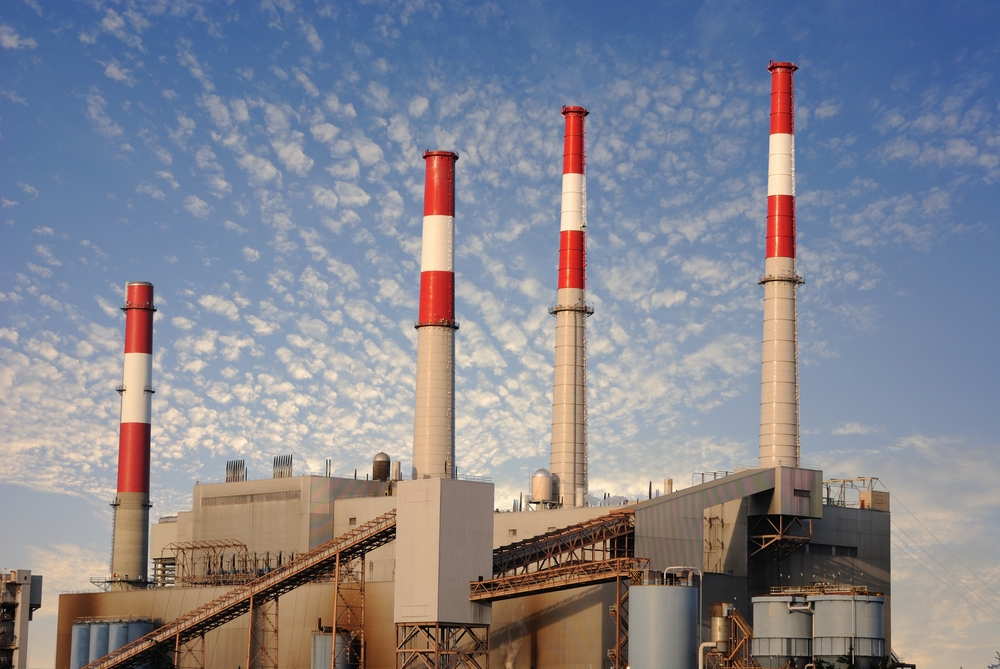
Facilities operating heavy machinery require acoustic barriers and vibration control systems. Absorptive materials and structural isolation help protect workers and reduce noise transmission to surrounding areas.
In addition, acoustic strategies in such environments often include zoning loud equipment away from administrative areas, implementing floating floors or damped mounts, and conducting periodic noise assessments to ensure ongoing compliance with safety standards. By integrating these measures during the design and operational phases, industrial facilities can maintain productivity while safeguarding the well-being of employees and minimizing their impact on neighbouring properties.
Commercial Complexes
Plant rooms and service areas are often located near workspaces. Acoustic design ensures these areas are enclosed and treated so that operational noise does not interfere with daily activities.
In addition, thoughtful planning in these zones involves selecting construction methods that combine sound-insulating walls, floating floors, and vibration-damped ceilings. Designers also consider pathways for ducts and pipes to prevent noise leakage, while ongoing monitoring helps maintain acoustic performance over time. These efforts create a quieter, more focused environment for occupants, even in buildings with extensive mechanical infrastructure operating nearby.
CFD-Based Aero-Acoustics Applications
Turbines and Propeller Systems
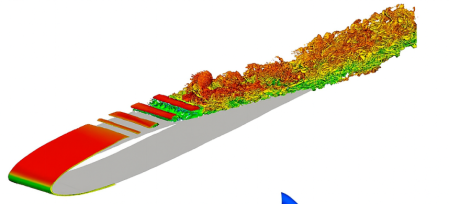
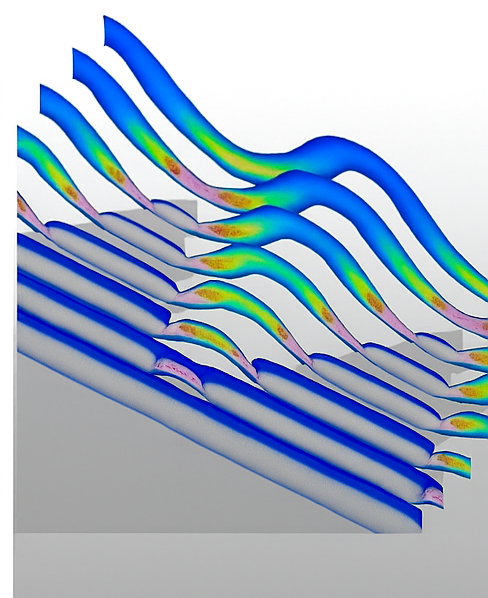
Computational models predict airflow and sound patterns. By refining blade geometry and edge designs, noise levels are reduced while maintaining efficiency.
Fans and Ventilation Systems
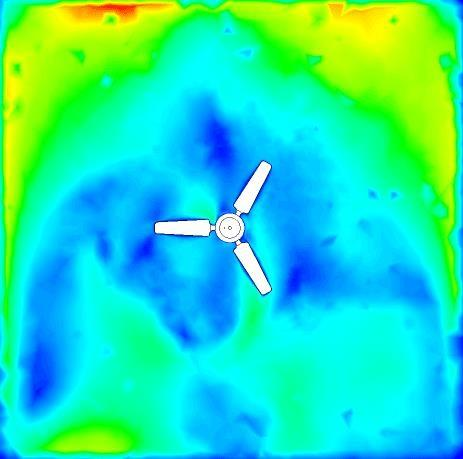
Ceiling fans, exhaust fans, and similar devices are analysed to minimize turbulence and vibration, leading to quieter and more reliable operation.

Small Power Units and Mufflers
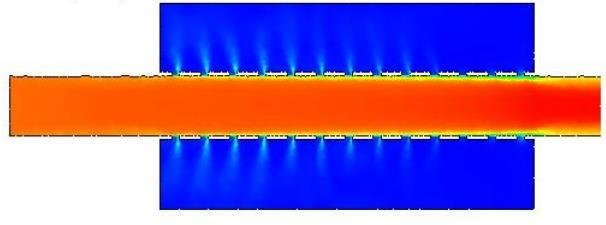
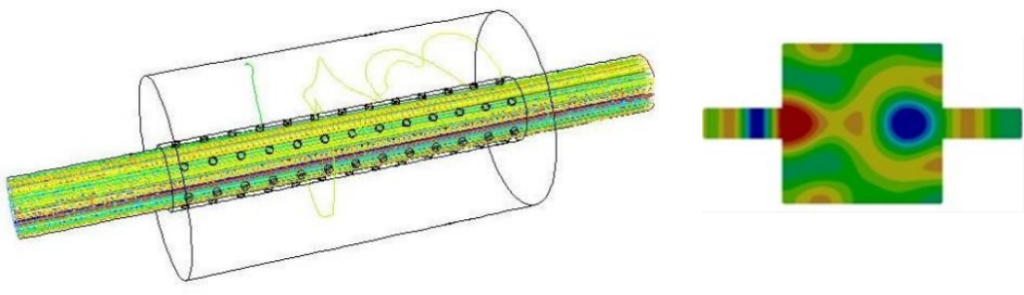
Vibro-acoustic simulations reveal how casings and internal components radiate sound. Design changes such as damping materials or tuned resonators are implemented to reduce unwanted noise.
Valves and Industrial Plates
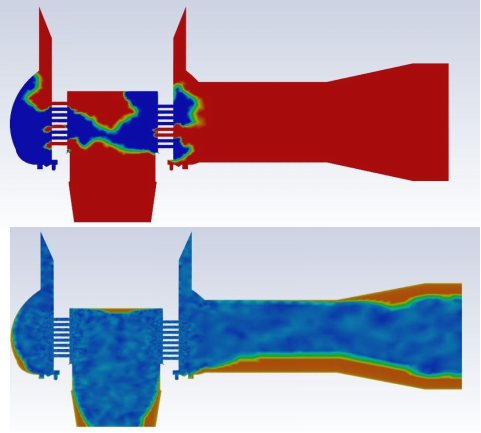
Acoustic assessments ensure that vibration and flow-induced noise remain within acceptable limits, improving product performance and longevity.
High-Speed Test Equipment
Supersonic and high-energy setups undergo special acoustic studies to predict extreme noise events and design enclosures or barriers that keep operations safe and controlled.
International Project Highlights
- Fitness and Leisure Facilities
Spaces with amplified music and high-impact activities require specialized flooring, ceiling treatments, and wall finishes to contain sound and maintain a pleasant environment for both users and neighbouring spaces. - High-Rise Developments
Multi-use towers demand acoustic separation between residential, commercial, and mechanical zones. Solutions include layered wall assemblies, floating floor systems, and acoustic glazing. - Airport and Logistics Buildings
Large terminals and logistics hubs require well-planned sound control to manage vehicle, machinery, and crowd noise. Acoustic barriers, zoning, and strategic material choices help achieve these goals. - Retail Complexes
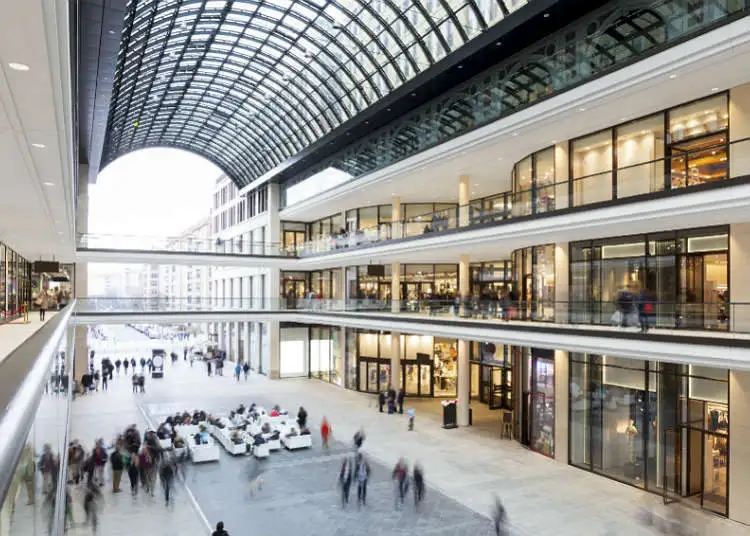
Shopping centres with wide atriums and high footfall need tailored acoustic treatments to control echoes and improve the overall shopping experience. - Infrastructure Projects
Roadways and bridges often require roadside noise assessments and mitigation strategies, such as sound barriers and landscaped berms, to protect surrounding communities.
Industrial Equipment Installations
Mechanical systems like scrubbers or large duct networks undergo acoustic assessments to reduce operational noise without hindering performance.
Why This Expertise Is Valuable
- Creates clearer, quieter, and more comfortable environments.
- Delivers data-driven designs validated by measurements and simulations.
- Brings experience across multiple building types and industries.
- Uses cutting-edge tools and methods for reliable results.
Why These Examples Matter
These examples show how acoustic expertise contributes to:
- Enhanced comfort and usability in hotels, offices, and public spaces.
- Compliance with environmental and safety standards in industrial and infrastructure settings.
- Improved efficiency and quieter operation in mechanical systems and equipment.
- Better overall experiences for people interacting with these environments every day.