

FSI Analysis of Airport Roof Structure and Concrete Pillar
January 25, 2024
CFD SIMULATION OF GAS-GAS HEATER
May 9, 2024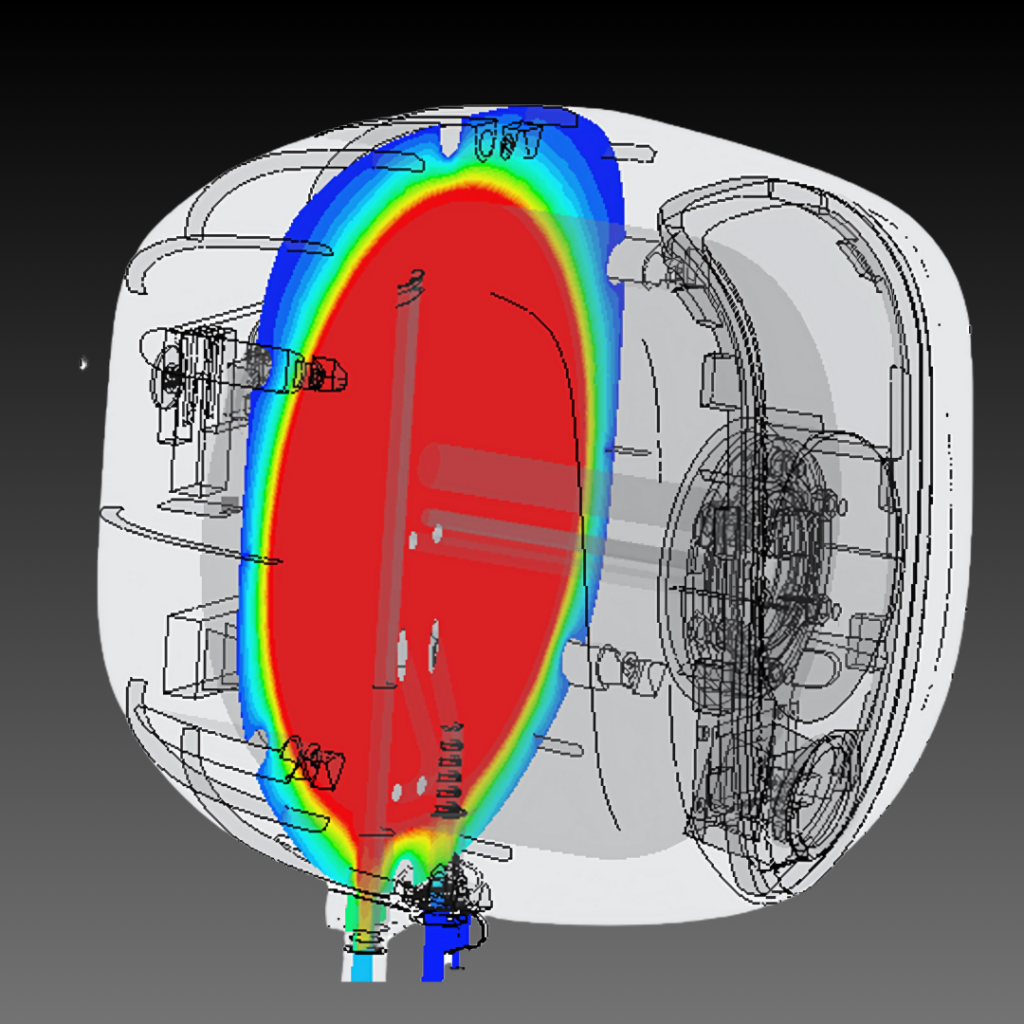
Introduction
CFD analysis of a storage water heater under various standard test cycle conditions revealed insights into transient flow, thermal characteristics, and key performance parameters. The study provides valuable information for potential optimizations.
Challenges
Challenges in the study include understanding dynamic behavior, analyzing transient flow patterns, and determining time to reach the upper limit temperature. Flow rate analysis involves calculating water movement and drainage times, while heating and cooling analysis assesses the time to reach a specific temperature and naturally cool to another.

Solution
The solution encompassed a transient simulation lasting a specific duration, unveiling a linear temperature increase shortly after initiation. The findings confirmed reaching the desired outlet temperature within the designated timeframe. Furthermore, analytical calculations were used to ascertain the time needed to elevate the temperature from an initial value to the desired level, with a thorough comparison against simulation results to validate accuracy.
Benefits
The study benefits include validating the storage water heater’s performance through CFD analysis, ensuring reliability with an agreement between analytical and simulated results. It also identifies optimization opportunities, guiding improvements in heating efficiency and time to reach desired temperatures in the design and operation of the heater.